Dare to understand! · جرأت کن بفهمی!

Religion and the State: Lessons from History
From Europe’s wars of religion to Amanullah Khan’s reforms in Afghanistan, history offers hard lessons about what happens when religion and state power are joined.

Dare to understand! · جرأت کن بفهمی!
The separation of religion and state, freedom of thought and expression, and the case for a secular, pluralist society.
From Europe’s wars of religion to Amanullah Khan’s reforms in Afghanistan, history offers hard lessons about what happens when religion and state power are joined.

Education can teach children what to believe, or it can teach them how to think. The difference shapes not only individual lives but the future of whole societies.

Secularism is often described as an attack on religion. In fact, it is the arrangement that allows people of every faith — and none — to live freely side by side.

Is there a right to offend? Where should free speech end? A look at the harm principle, the difference between offence and incitement, and why blasphemy laws protect power, not people.

“Do not do to others what you would not want done to you.” The Golden Rule appears across cultures and religions — and that tells us something important about where morality comes from.
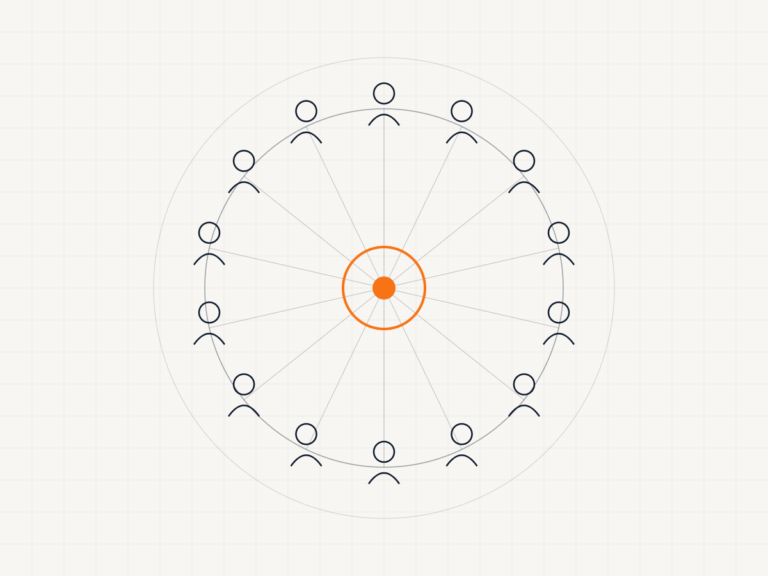
Before we can speak, worship or vote freely, we must first be free to think. Why freedom of thought, conscience and belief is the foundation on which other human rights depend.

Can a society survive without morality at its core? Why has coercion repeatedly failed? This essay argues that reason, education and shared human responsibility — not force or theology — form the true foundations of ethical life.